
Doing Nothing But Dosing: A Story of Microdosing When You’re Not Ready for the Work

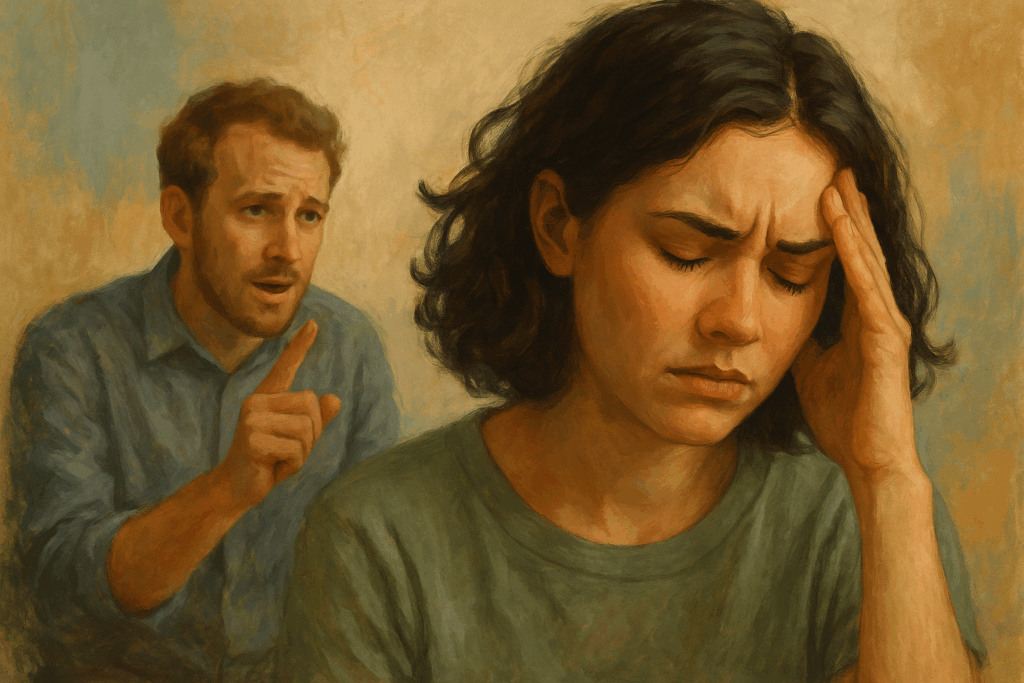
There’s a popular belief in the psychedelic space that if you’re not “doing the work,” you’re not doing it right. You hear it everywhere—set an intention, journal every dose, meditate, find a therapist, process your traumas, integrate your insights. It’s a beautiful idea, and for a lot of people, it works. But it also creates a certain pressure. A quiet shame if you’re not there yet—or if you never really want to be.
The truth? I’ve never been one to do the work.
Even when I’m feeling great, thinking about the work is so much easier than actually doing it. I can have all the insights in the world—I know what I “should” be doing, how I could optimize my days, how I could sit with my feelings more often, be more present, more conscious, more… everything. But knowing and doing are two very different things. And for most of my life, I’ve lived in that in-between space. The mental work? Easy. The emotional or behavioral follow-through? Not so much.
So when I first started microdosing, I assumed I was doing it wrong.
I wasn’t journaling. I wasn’t meditating every morning. I didn’t have a coach or a set protocol. I was just… taking the dose and going about my day. But slowly, something started to shift. Not dramatically. Not overnight. But enough that I noticed a little more space between my thoughts. A little more ease in my chest. A little more energy in the morning. Some days I didn’t even connect it to the microdosing—I just felt slightly more human.
And that was enough to keep going.
The funny part is, all the “work” I wasn’t doing? Eventually, I kind of wanted to. Not in a big, overwhelming way. But I found myself reaching for a notebook now and then, just to jot a few things down. I’d notice a strong emotion and stay with it for an extra breath instead of pushing it away. I’d go for a walk instead of doomscrolling. It was subtle. Nothing performative. Just… more presence, more often.
That’s when I realized something important: microdosing without integration is still a path to wellness.
Because for a lot of us, the real block isn’t that we’re unwilling to change—it’s that we’ve been running on empty for so long that change feels impossible. When you’re numb, burnt out, anxious, or depressed, doing the “work” feels like another thing you’re failing at. Another task you can’t keep up with. Another reminder that you’re not “doing healing” the right way.
But healing doesn’t have to be a homework assignment. Sometimes, the healing is just the relief. Just the breath you didn’t know you were holding. Just the smile that happens without effort. Sometimes it’s the first moment in weeks or months where you feel like yourself again—even if you don’t know what to do with that feeling yet.
And that’s the beauty of it. You don’t always need to force transformation. Microdosing, even without all the extras, can gently nudge your system into a state where you can finally want to try. Not because you feel like you should. But because for the first time in a while, you actually can.
Let’s be real: not everyone is ready for therapy. Not everyone wants to journal or sit in stillness or dig through childhood trauma. Some people just want to feel better. And that’s valid. That matters. There shouldn’t be gatekeeping around what qualifies as “real” healing.
Yes, integration is powerful. Yes, the inner work is valuable. But if you’re not there yet—or if you never fully get there—you’re not doing it wrong. You’re just on your own timeline. And maybe, just maybe, you’re still healing in ways you don’t need to explain or document.
Microdosing isn’t a magic bullet. But it can be a soft reset. A slow thawing. A shift in perspective that doesn’t require a journal prompt or a breakthrough. And sometimes, that’s exactly what opens the door to something more.
So to anyone who feels like they’re falling short because they’re not doing the work: you’re not. You’re living. You’re showing up. You’re finding your way. And if microdosing helps you feel even 5% more like yourself, then that’s already something worth celebrating.
Healing doesn’t always look like work. Sometimes it just looks like relief.